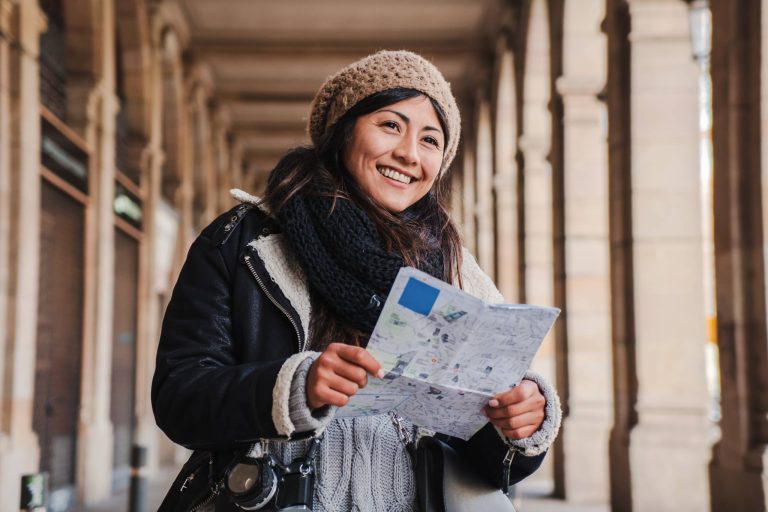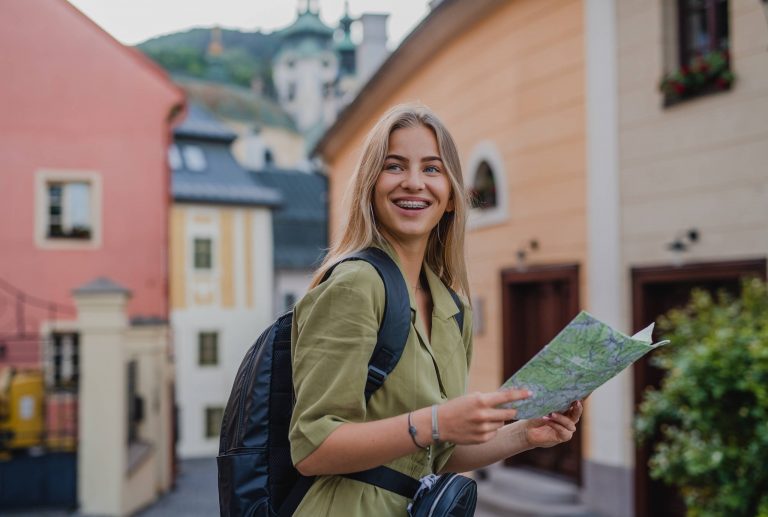

There is nothing that reveals the nature of decision making quite like travel. When you are traveling alone, there is no one to share in the responsibility of a decision, and there is no one to validate the decision after it has been made. A traveler is left to confront the true weight of every decision, great or small. Even experienced travelers are often caught off guard by the weight of their decisions. They expect that the freedom of travel will make their decisions feel light, but freedom isn’t light.
The ability to make decisions without melodrama is one of the most important travel skills that you can develop. This doesn’t mean making fast, decisive decisions, but making clean decisions. Clean decisions are informed and calm, proportional to the circumstances. They are focused on what is important in the moment rather than on mitigating projected consequences. “Mistakes” are seen as travel and lessons rather than errors. This helps to avoid mental exhaustion and preserve energy for engagement.
Many of the struggles that people attribute to travel or to certain destinations are actually internal struggles. Too many options, too much data, and endless comparisons reduce your confidence and your ability to decide. Successful solo travelers learn how to limit their inputs. They learn how to filter advice, recommendations, and other signals. This filtering doesn’t limit your experience, it deepens it. You’ll preserve mental energy, quiet the noise, and refine your intuition. You’ll learn to make decisions that are more congruent with your values and less concerned with the expectations of others.
Timing is also an important part of decision making. Sometimes it’s more important to consider when to make a decision rather than how. Not all decisions need to be made immediately. Hunger, exhaustion, overstimulation, and other states can cloud your judgment and lead you to perceive threats where none exist. Learning when to wait and when to decide is an important part of solo travel. Allow your emotional state to settle before acting. This will reduce your relationship with uncertainty from one of combat to one of navigation. It’s not passive, it’s responsive. It’s self aware rather than reactive.
Experienced solo travelers focus less on making correct decisions and more on making conscious decisions. They focus less on the outcome and more on the intention. This perspective has far reaching implications. The skills that you develop in this regard while traveling will translate to your daily life. You’ll become clearer in your decision making and less reliant on external validation. Traveling, especially solo traveling, can be an excellent way to hone your decision making process. It can teach you to move forward steadily, even when the outcome is uncertain.